Walk into ten clinics offering botox cosmetic injections and you will sense ten different approaches. Some feel like medical practices with white coats and consent forms at the ready. Others look more like boutique studios with mood lighting, curated playlists, and a fragrance that says luxury more than medicine. The best clinics balance both: clinical rigor with an easy, human touch. If you have never had botox or you are planning a switch to a new provider, knowing what to expect can save you from buyer’s remorse, poorly placed units, or results that fade too fast.
I have sat on both sides of the treatment chair, first as a patient hunting for subtle improvement, then as a professional who has watched hundreds of faces move, rest, and soften after treatment. This checklist reflects what consistently works, what often gets overlooked, and where the red flags hide.
The credentials that matter more than the vibe
A beautiful lounge is pleasant, but licensure and expertise keep you safe. Your injector should be a medical professional qualified to administer botox injections under your local regulations. Titles vary by region. Board-certified dermatologists, plastic surgeons, facial plastic surgeons, and experienced nurse injectors with advanced training make up most of the trusted field. Ask direct questions. Who does the injecting? What certifications do they hold for botox aesthetic injections? How many botox sessions do they perform in a typical week?
Volume matters because facial anatomy is nuanced. Someone performing 40 to 80 botox cosmetic procedures per week develops a feel for micro-adjustments that prevent heavy brows, uneven smiles, or asymmetric eyelids. Experience reduces complications and improves the finesse needed for natural looking results. If the clinic hesitates to answer or pivots to vague language about “team expertise,” keep looking.
What the consultation should actually cover
A proper botox consultation feels like a short clinical interview combined with a thoughtful aesthetic critique. Expect a medical history review that asks about neuromuscular disorders, prior reactions to botox therapy or other botulinum toxins, bleeding disorders, pregnancy or breastfeeding status, allergies, and any planned procedures. Bring a current medication list. Blood thinners, certain antibiotics, and supplements that raise bleeding or bruising risk should be discussed. You will sign a consent form that explains benefits, risks, and alternatives.
From there, your provider should study your face at rest and in motion. They may ask you to frown, raise your brows, smile broadly, squint, or purse your lips. This is not performance art. It tells them how your muscles behave, which informs where botox for forehead lines or botox for crow’s feet will be most effective, and where a conservative approach protects your expressions. The best injectors narrate a bit of their thinking. For example, a seasoned pro might say, “Your frontalis overworks to lift the brows because the corrugators are dominant. Lighten the glabella with 10 to 14 units, soften the frontalis with 6 to 14 units in a high pattern, and you will keep lift without heaviness.”
Photos matter. Good clinics take standardized before images from three or four angles under even lighting. You are not auditioning for a magazine. These images give you and the provider a shared baseline, which is essential when judging botox results treatment at your follow up.
Matching goals to muscle biology
Every face is a mix of hyperactive and underactive patterns. If your brow sits low and you chase a smooth forehead, the wrong botox forehead injections can drop your brows further. If your smile relies on subtle cheek lift, over-treating crow’s feet can flatten warmth. A thoughtful plan balances wrinkle reduction with the way you emote.
- Forehead and frown lines: The glabella complex, which includes the corrugators and procerus, often needs 8 to 20 units spread across 3 to 5 points. Frontalis units vary widely, often 6 to 18, because this muscle lifts the brow. A dose too low will not smooth; a dose too high will feel heavy. Precise placement and depth, not just unit count, are the difference between silky and frozen. Crow’s feet: Outer eye lines respond to 6 to 12 units per side divided into two or three injection points. If you have thin skin and smile lines that radiate down the cheek, a lower, gentle feathering can prevent bunching. People who rely on eye expressions in public-facing jobs usually prefer a lighter touch. Lip flip: A tiny dose, often 2 to 6 units in the upper lip, relaxes the orbicularis oris to create a subtle roll and show more vermilion. Done well, it is delicate. Overdone, it affects enunciation for a week or two. Bunny lines: Treating the nasalis with 2 to 4 units per side can smooth that scrunch near the nose bridge. Masseter and jawline: Botox masseter treatment can slim a hypertrophic jaw or soften clenching. Doses are bigger here, often 20 to 50 units per side, and results develop slowly over 4 to 8 weeks. Expect chewing fatigue for a few days, then adjustment. It can also help with tension headaches in some patients. Neck bands: Platysmal band treatment ranges widely. Small doses per band can soften a stringy neck, but heavy dosing risks voice changes or swallowing discomfort. Choose a provider who treats necks regularly. Medical indications: Botox migraine treatment and botox hyperhidrosis treatment have distinct protocols, unit counts, and insurance considerations. If a clinic markets only cosmetic care but claims treatment for migraines or sweating without the proper medical framework, ask for proof of experience and pathway to medical follow up.
Unit numbers here are ballpark ranges. Your provider may use more or less based on muscle mass, gender, metabolism, and aesthetic goals. The art lives in those variables.
What the room and the routine tell you
Small details add up to safety. The syringe should be labeled. The vial should come from a reputable manufacturer with visible lot numbers and expiration dates, and be stored cold. You should witness a fresh needle. Alcohol or chlorhexidine cleans the skin. Your injector may mark points with a cosmetic pencil. Pressure, ice, or vibration helps with sting. It takes minutes, not an hour. If a clinic rushes you through without time for questions or photographs, that pace often shows up later as uneven results.
Many clinics apply a thin layer of topical numbing for first timers, but for most facial zones, the discomfort is brief and tolerable. The forehead and glabella are usually easy. Lip flips and under-eye treatments are zingy. If your provider suggests under-eye botox as a primary fix for crepe skin, be cautious. Micro doses can help jelly roll lines in selected cases, but Botox does not tighten skin. It relaxes muscle.
The difference between cookie-cutter and customized treatment
Two patients, same age, similar wrinkles, very different plans. One may need botox facial injections with a focus on frown lines, plus a microdose in the chin to smooth pebbling. The other might benefit more from brow lift support with high frontalis points and a conservative approach to crow’s feet to keep a bright, eye-crinkling smile. That is a customized plan.
You know you are in a “cookie-cutter” environment if the clinic only offers fixed packages like “forehead, frown, eyes - 50 units flat fee” without an assessment. Fixed pricing is fine. Fixed dosing rarely is. Experienced injectors flex based on anatomy. If you feel like a recipient of a standard map rather than an individual face, ask for rationale. If there is no nuanced answer, trust your instincts.
Realistic timelines: onset, peak, and fade
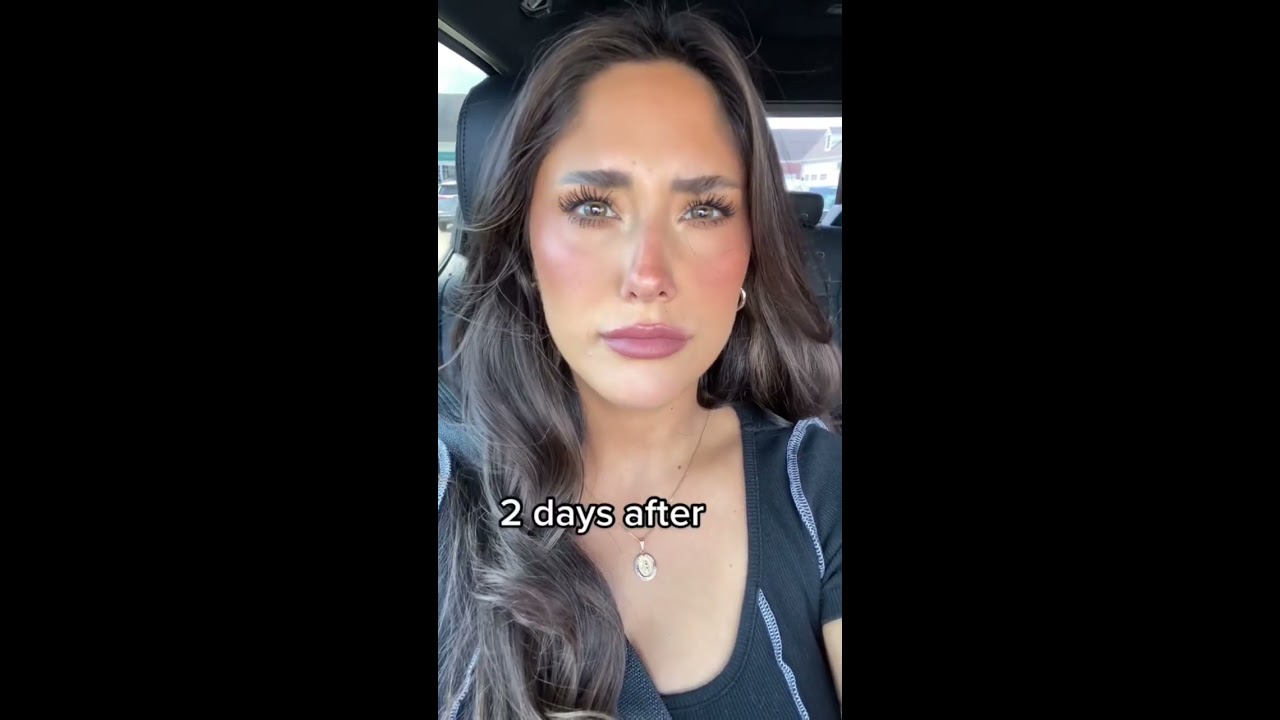
You will not walk out smooth. Botox minimally invasive treatment has a gentle rollout. Most people notice a softening around day 3 to 5. The effect builds through day 7 to 10, and peaks around week 2. If a clinic offers a touch-up, they time it near the two-week mark, not day 2 or 3. Adjusting too early risks stacking doses you do not need.
How long does it last? Most cosmetic zones hold for 3 to 4 months. Some lucky individuals enjoy 5 to 6 months, often in areas like the glabella. Crow’s feet sometimes fade a touch sooner. Masseter treatment can maintain a slimmer contour for 5 to 8 months once you reach a steady state. If your results consistently fade in 6 to 8 weeks, it may be under-dosing, high metabolism, or imprecise placement. Occasionally, frequent short-interval treatments can shorten duration. Spacing follow ups at 12 to 16 weeks helps.
What it feels like after
Expect a few pinprick bumps that flatten within 15 to 30 minutes. Small bruises happen in 5 to 15 percent of cases, more if you bruise easily. Ice helps. A mild headache is common and tends to pass in a day. Heavier or tight brow sensation is a known early feeling, especially if it is your first time. It usually eases as your brain adapts to weaker muscles.
For the first 4 to 6 hours, most providers suggest staying upright and avoiding vigorous exercise to reduce spread. The old advice about not touching your face for 24 hours is a bit rigid. Light cleansing and makeup are fine after a few hours, but avoid deep massage right over the treatment zones for a day. Skip saunas and hot yoga that same day. Alcohol the night of treatment can worsen Look at this website bruising. These are not hard bans; they are reasonable guardrails.
A short, practical pre-appointment checklist
- Confirm your injector’s credentials, case volume, and before-and-after gallery featuring people with features or age similar to yours. Share a complete medical and medication history, including supplements like fish oil, ginkgo, or high-dose vitamin E that may raise bruising risk. Schedule around big events. Give yourself 2 weeks to reach peak results and let any bruises fade. Photograph your face at rest and in expression the morning of your botox appointment for personal reference. Plan a low-key 24 hours after your botox session to avoid strenuous exercise and sauna-level heat.
How clinics price botox services, and what that tells you
Clinics price either by unit or by area. Unit pricing is transparent but requires trust that the injector uses the right total. Area pricing feels predictable but can hide under-dosing. A fair approach communicates both: “We typically use 12 to 18 units in your forehead. Because your brows sit low, I would start at 10 to 12 high points to maintain lift. We price this at X per unit, estimated total Y.”
Be wary of deep discounts. Legitimate botox from major manufacturers has a real cost, and skilled injectors value their time. Flash sales can be fine if the clinic is reputable and simply running a promotion, but if prices look too good to be true, they usually are. Dilution games and expired inventory harm outcomes.
The art of subtlety versus the desire for smooth
Patients often arrive with a mental image of a crease-free forehead. In motion, though, the face communicates largely through micro-movements of the eyes, brows, and mouth. Botox facial treatment that erases every line at rest can reduce those cues and read as flat on video or in bright daylight. If you are in front of a camera or lead teams, aim for botox subtle results treatment. Ask your provider to keep a little movement in the lateral frontalis or include a small brow-lifting vector above the tail of the brow to prevent a pressed-down look.
On the other hand, if deep etched lines bother you every morning, a few stronger cycles early on can teach the habit lines to relax, then you can downshift to maintenance. Good injectors explain these trade-offs and plan for the next two or three cycles, not just today.
Special cases that deserve extra caution
If you have a history of brow ptosis, droopy eyelids, or required high ponytails to feel lifted, communicate that. Your provider may go lighter in the frontalis, lean more on the glabella, or skip certain lateral points. If you are athletic with strong facial muscles, you may need slightly higher dosing for effective botox wrinkle reduction. If you are on isotretinoin, have active acne in the injection sites, or a skin infection, reschedule. If you are pregnant or breastfeeding, most providers defer botox medical treatment because safety data are limited.
Thyroid imbalance, autoimmune disease, or prior facial surgery can change how you respond. These are not automatic disqualifiers, but they call for an experienced hand. One of my early patients had a minor eyelid asymmetry from childhood. A standard glabella plan exaggerated the difference at week two. We corrected it with a tiny lateral lift on the lower side. A careful pre-injection exam would have predicted it.
Managing expectations for non-wrinkle concerns
Botox for skin smoothing treatment works on lines caused by repeated muscle contraction. It does not fill hollows, build collagen, or lift tissue. If your primary concerns include volume loss in the temples, cheek deflation, laxity along the jawline, or etched lip lines at rest, botox cosmetic therapy can be part of a plan, not the whole plan. Combining botox with collagen-stimulating treatments, energy-based skin tightening, or hyaluronic acid fillers is common, but staging matters. Many clinics treat botox first so muscles settle, then refine contours four to six weeks later. If a provider suggests high-volume filler and high-dose botox in the same new-patient visit without a staged plan, that is a lot to evaluate at once.
Follow up that feels like partnership
A good clinic invites you back around two weeks for assessment. They should photograph again, compare to baseline, and ask you to animate. This is when small top-ups make sense, especially for first-timers or after a dose change. These micro-adjustments are part of personalized botox professional treatment. If a clinic never offers follow up or charges a full new visit fee for a two-minute tweak, ask about their policy before you begin.
Track your own results. Make calendar notes on onset day, peak, and the week you notice movement returning. Share that with your injector next time. Patterns emerge. Some patients see fast onset at day 2, others at day 7. Some hold upper face results for 16 weeks, others for 10. The best plans adjust to your data.
Safety signals and rare complications, explained plainly
Bruising, mild swelling, and transient headaches are common and manageable. The rare events get attention because they change how you look or feel. A droopy eyelid, called ptosis, can occur if botox migrates to the levator palpebrae. Proper technique and avoiding rubbing the area reduce this risk, and eye drops can help while it resolves over a few weeks. Eyebrow heaviness typically comes from over-treating the frontalis relative to the glabella. This is preventable with careful dosing and placement.
Smile asymmetry after botox for smile lines or a lip flip usually reflects diffusion into adjacent muscles. It improves with time, and in some cases can be balanced with a drop elsewhere. Neck swallowing difficulty is rare and related to high-dose platysmal treatment. Choose a provider with a strong neck track record if you are considering botox neck treatment.
True allergy to botulinum toxin is very rare. If you experience widespread rash, breathing difficulty, or severe dizziness after any injection, seek urgent care. For migraine or hyperhidrosis protocols, follow the medical program closely and keep notes for your neurologist or dermatologist. These therapeutic injections are a different pathway than pure cosmetic care, even if the product is similar.
When “botox near me treatment” searches lead you astray
Location-based searches are a starting point, not a verdict. The top result is often a sponsored listing. Read reviews critically. Look for mentions of consistent results at 3 to 4 months, natural expressions, and clear communication. Beware of review pages full of praise for “cheap deals” without detail on outcomes. Call two or three clinics, describe your goals, and notice how they engage. The best clinics do not push units or bundles. They ask smart questions.
If convenience is your highest priority, choose the nearest high-competence clinic, not the absolute closest. A ten-minute longer drive to a provider who documents, follows up, and adapts treatment is worth it.
The maintenance mindset: planning for a year, not just a visit
Botox maintenance treatment works best when you think in seasons. If you speak at a conference every spring, schedule your botox appointment 3 to 4 weeks prior. If summer weddings fill your calendar, aim for May updates. Many patients find a rhythm of three or four sessions per year for the upper face. Masseter slimming may be twice per year after the first few rounds.
Budgeting improves adherence. Transparent clinics outline typical yearly unit ranges for your plan, so you can set expectations. For instance, a 38-year-old with moderate movement lines might average 40 to 60 units per cycle across glabella, forehead, and crow’s feet, three times per year. Someone adding botox chin treatment for dimpling or a small eyebrow lift treatment may tack on another 4 to 10 units.
A brief, second checklist for evaluating a new clinic at a glance
- You meet the person who will inject you, and their credentials are clear and verifiable. The consultation includes animation analysis, photos, and a tailored plan with rational unit ranges. The clinic discusses risks, aftercare, and a two-week follow up policy without prompting. Pricing is transparent by unit or area, with expected ranges for your anatomy and goals. The environment shows hygienic practices, labeled vials, and a calm, unhurried setup.
Final thoughts from the chair
Great botox aesthetic treatment is not a luxury-only service, nor is it a quick commodity. It is a brief medical procedure that can soften harsh lines, rebalance features, and make you look a little more like you feel on a good day. The best outcomes are quiet. Friends say you look rested. Video calls feel kinder. Your makeup sits better. If anyone can tell exactly what you did, the doses or placements likely need adjusting.
You have agency throughout this process. Ask how a plan protects brow position. Request conservative dosing on your first botox facial treatment if you are nervous about looking overdone. Share your calendar and your tolerance for small lines left in motion. Use your follow up, give feedback, and, over a few cycles, expect your injector to refine. That is what a professional partnership looks like.
Botox is not a fix for everything. It will not repair sun damage or fill volume loss. It will not change a face you dislike into a face you love. But as part of a measured, personalized approach to facial care, botox non surgical treatment remains a safe, effective, and versatile tool with a long track record. Choose the clinic that treats you like a person, not a chair slot. Demand clarity. Value subtlety. Your results will last longer than the four months on paper, because good decisions compound across years.