A well-balanced jawline frames the face. When the lower third is too wide or bulky, it can dominate features that deserve attention, like the eyes and cheekbones. Over the past decade, I have treated hundreds of patients seeking a softer, more tapered jaw without surgery. Strategic Botox injections into the masseter muscles can slim the lower face, refine angles, and even relieve functional issues like grinding. When done well, friends notice you look rested and more proportional, not obviously “treated.”
This article brings together technique, planning, safety, and aftercare for masseter Botox. I will also cover how jawline Botox fits with broader facial contouring, from the chin to the neck and lower face dynamics. Realistic expectations matter, and so do details like dose, cadence of treatments, and how to avoid pitfalls such as smile changes or chewing fatigue.
How jaw slimming with Botox works
The masseter is a powerful chewing muscle that sits along the back half of the jaw. In some people, it is naturally thick. In others, it enlarges from chronic clenching or bruxism. Botox cosmetic injections relax a portion of this muscle by blocking the nerve signal that tells it to contract. Over weeks, the relaxed muscle fibers shrink in volume because they are less active, which reduces bulk along the jaw angle. Unlike fillers or surgery, this approach subtracts, it does not add or cut.
Patients often ask about timing. Chewing force can ease within a few days, but visible slimming is gradual. Expect early softening at 4 to 6 weeks and the most noticeable contour change around 8 to 12 weeks. Results usually hold for 3 to 6 months, sometimes longer after several sessions as the muscle reconditions to a gentler baseline.
There are two key variables in a Botox procedure for the masseter: where the product is placed and how much is used. Skin quality and fat thickness matter, but the muscle’s size and shape dominate the plan. On palpation, the masseter feels like a rectangular pad that bulges when you clench. It is bounded by the cheekbone above, the jawline below, and a vertical mid-face line in front. Staying within the safe zone of the muscle belly and away from the smile elevators along the cheek is essential for natural movement.
Who benefits most
Three groups tend to see the most satisfying shift with Botox for jaw slimming. First, patients with genetically square or heavy lower faces who want a heart-shaped silhouette. Second, people with bruxism or TMJ-related pain who also notice bulk along the jaw. Third, those preparing for a special event who prefer non surgical treatment over a face lift alternative, especially if they do not need skin tightening.
There are limits. If the jaw width comes from bone rather than muscle, Botox will have less impact. If fullness is from subcutaneous fat or a low, heavy parotid gland, slimming may be modest. I flag this during a Botox consultation to avoid mismatched expectations. In mature faces with laxity, reducing muscle volume can occasionally unmask jowling, so I may pair the plan with skin tightening or filler support for the prejowl sulcus. A good provider will tell you not just what Botox can do, but also what it cannot.
The consultation: mapping goals to anatomy
A detailed exam guides a safe and effective plan. I start with standardized photos in neutral head position and with teeth gently clenched. I assess facial thirds, chin projection, mandibular angle definition, and whether width tapers from cheeks to jaw or appears boxy. I palpate the masseter while the patient bites down, then relaxes, to feel its borders and thickness. Asymmetry is common, often with a dominant side that does most of the night grinding.
We also talk movement. I watch the smile at rest and full laugh. I look for dimpling of the chin, mentalis overactivity, neck bands, and obvious platysmal pull. These details matter because Botox for jawline refinement interacts with other muscles. A heavy mentalis can make the chin pebble, which we can soften with small doses of botox for chin. A strong platysma can tug corners down, and selective botox for neck lines or platysma bands can help rebalance. The whole lower face is a team, and one change affects the group.
I also cover the broader menu because patients usually come in with secondary concerns. Frown lines, crow’s feet, and forehead lines often get treated in the same session if appropriate. Using botox for forehead, glabella, or botox for crow’s feet does not interfere with masseter work, though dose planning and timing should be coordinated to stay within safe limits and avoid stacking unnecessary product in a new patient.
Dosing, sessions, and what to expect
Dose varies with muscle size, sex, and goal. In my practice, a typical starting range per side is 20 to 35 units for a petite patient and 30 to 50 units for a larger frame or severe bruxism, using on-label botox cosmetic or an equivalent neuromodulator with unit adjustments. Conservative starts help avoid chewing fatigue. If a patient needs both jaw slimming and TMJ symptom relief, I explain that comfort often improves at lower doses than those needed to dramatically change facial width.
Treatment is staged. The first botox appointment sets the baseline. I review results at 6 to 8 weeks, when slimming begins to show and any unevenness becomes obvious. Touch ups at this point are precise, a few units where bulk persists or symmetry needs polish. A second full session at 3 to 4 months tends to lock in the contour. After two or three cycles, many patients stretch maintenance to 6 months or more. Bruxers who relapse during stress may need earlier refresh treatment.
Routine care for upper face lines can be done in parallel. If we treat botox for frown lines or botox for forehead at the same visit, we separate injection sites and doses. A skilled botox provider will plan the pattern so the face looks cohesive, never frozen. Subtle brow shaping, sometimes called a botox eyebrow lift or botox brow lift, can lighten the upper face as the jawline softens, which keeps harmony through the vertical axis.
The session itself
After consent and photography, I mark the masseter borders while the patient clenches. I avoid the upper anterior quadrant where diffusion could affect the zygomaticus complex, the smile elevators that lift the corner of the mouth. I prefer three to five injection points per side, placed deep into the muscle belly. For comfort, I use a small needle, steady hand support against bone, and considered pacing. The treatment time for both sides is usually under 10 minutes.
Bruising is uncommon but possible. Swelling is minor and settles quickly. You can return to desk work immediately, although I recommend skipping heavy workouts, chewing gum, or firm facial massage for the rest of the day. This is standard botox aftercare and helps limit migration of product. Makeup can be applied after an hour if the skin looks calm.
Pain is usually described as pinching with an internal pressure. Patients who have had botox facial injections in other areas tend to find the masseter similar or slightly more noticeable because it is a dense muscle. Ice and distraction techniques help. I save numbing cream for those who are very needle sensitive, though the onset time slows the visit.
Safety and side effects
Botox is a well-studied neurotoxin used in both aesthetic treatment and medical therapy. In the lower face, precision matters. The main risks are transient and dose dependent. Chewing fatigue can occur for a week or two as the muscles adapt, more often with high starting doses. Most people adjust by favoring softer foods, then return to normal eating. Smile changes, such as corner droop or a flatter grin, happen when product diffuses into the zygomaticus or risorius. Proper placement lowers this risk substantially.
Rare issues include asymmetry, tenderness at injection points, or a feeling of jaw weakness when biting into crusty bread or steak. Headaches can occur after any botox injections, typically mild and self-limited. If a patient has significant TMJ pain relief needs, I start at a moderate dose and build up, because complete suppression of clenching feels strange at first and can alter chewing habits abruptly.
Certain conditions and medications warrant caution. Neuromuscular disorders, pregnancy, and breastfeeding are standard exclusions for elective botox cosmetic procedures. Blood thinners raise bruising risk. A thorough medical history helps your botox specialist plan safely. The product should only be administered by a trained professional who understands facial anatomy, diffusion patterns, and how to manage complications. This is not a spot for bargain hunting or botox deals that trade experience for volume. A low botox price can be tempting, but the cost of a fix is always higher than getting it right the first time.
Functional benefits for bruxism and TMJ
Many patients walk in for contouring and walk out with fewer headaches. Botox for bruxism reduces nighttime clenching force and protects enamel from microfractures. Those who wake with jaw soreness, temple tension, or a dull morning headache often report relief within two weeks. For TMJ inflammation, botox is an adjunct, not a cure. It reduces the load on the joint while you work on root causes like stress, sleep posture, and bite mechanics with your dentist or physical therapist.
When I treat a bruxer, I add bite awareness coaching and, when needed, refer for a custom night guard. The combination multiplies benefits. Without a guard, some people shift clenching patterns to other muscles, like the temporalis, which can keep headaches going. A balanced plan keeps you from playing whack-a-mole with symptoms.
Crafting a natural profile: jawline, chin, and neck
Slimming the masseter narrows the back of the jaw. To sharpen the profile without collapse, the chin and anterior jawline may need attention. A weak chin can make the lower face look heavy even after masseter reduction. Small doses of botox for chin can soften mentalis dimpling and reduce the upward curl that shortens chin height during speech. In some cases, hyaluronic acid filler along the chin or jawline enhances structure while Botox subtracts bulk. The goal is proportion, not just thinness.
If neck bands pull the jawline down, selective botox for neck lines or platysma bands lightens that downward force. The so-called Nefertiti approach places micro doses along the mandibular border and lateral neck to soften platysmal pull. This is not for everyone, especially those who rely on a strong neck for athletic activity, but when chosen carefully it supports crisper definition.
While we focus on the lower face here, patients often pair jaw slimming with upper face care. Botox for wrinkles around the eyes, a conservative botox for under eyes when indicated, and softening of bunny lines on the nose can brighten the center of the face so the new jawline reads as refined, not gaunt. Small shifts throughout the face keep the result cohesive.
Setting expectations with before and after photos
Clear, standardized photos are your best friend. I take neutral, three-quarter, and profile shots at baseline, then again at 6 to 8 weeks, and at 12 weeks. Lighting and head angle must match or the differences look exaggerated or underwhelming. Often, patients do not notice the day-to-day change until we place the images side by side. The typical sequence shows squarer angles softening, less fullness near the earlobe notch, and a cleaner curve toward the chin.
I caution patients that early selfies at two weeks can be misleading. At that stage you might feel chewing ease, but the visible jawline is usually unchanged. Trust the process. If we synchronized other treatments such as botox for frown lines or a subtle botox lip flip for upper lip balance, the composite improvement may be greater than the jaw alone.
Cost, packages, and maintenance
Botox cost for masseter slimming is tied to dose and geography. In most urban markets, pricing is either per unit or per area. A range per side can start near 20 units and rise to 50 units or more for very strong muscles, which means total units and the final botox price vary widely. I prefer unit-based fees for transparency. New patient treatment often begins conservatively with a plan for a touch up after the six to eight week review.
Packages can be helpful when you know you will return for two or three sessions to set the contour, then transition to maintenance injections. That said, packages should never pressure you into more product than you need. Ask whether the clinic offers partial credit for unused units or allows flexible scheduling. The best botox clinic treatment models respect individual variation in metabolism, stress cycles, and goals.
Maintenance timing depends on biology and habit. Some patients hold slimming for six months after the second session. Others relapse quicker during tense periods and come in at four months. If you also get botox for migraine or botox for headache treatment through a medical provider, coordinate scheduling so that cumulative doses and muscles treated align with both functional and aesthetic goals.
First time patient guidance
If you are a beginner, bring a short list of your priorities to the botox consultation. Include whether chewing feels painful on waking, if your jaw has clicked or locked, and which photos of yourself you like most. This helps your provider understand not only the anatomy, but also your taste for what looks good on your face. Some patients prefer a soft, oval taper. Others want an angular, athletic jawline with a defined mandibular angle. Botox for jaw slimming can serve either, but the dosing and any combination with filler will differ.
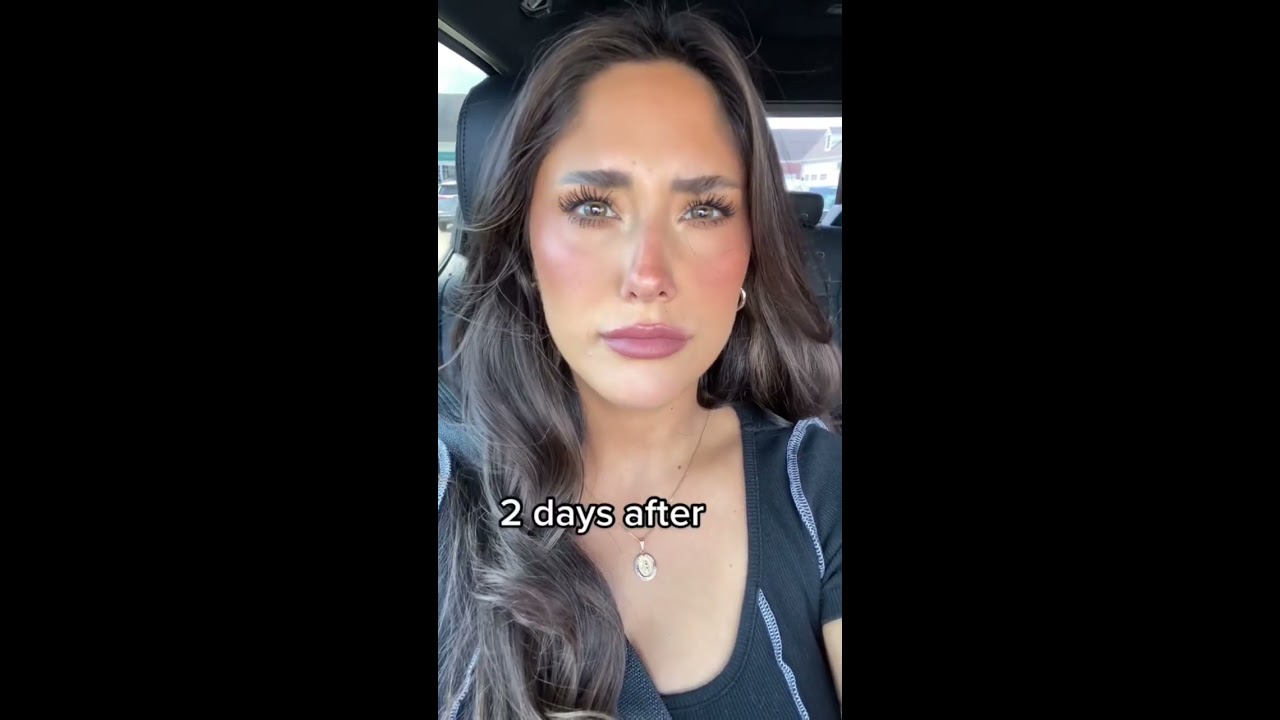
Most new patients worry about looking different to colleagues. The change is gradual, so you will not come back from lunch with a new face. Because results evolve over weeks, the shift reads as weight loss or better sleep to casual observers. If privacy matters, schedule your first botox session 10 to 12 weeks before a major event. You will be in the peak window for the botox results, with time for touch ups.
Technique nuances that protect your smile
A natural smile is priceless. Protecting it requires respect for anatomy and diffusion. I stay posterior and inferior within the masseter belly, especially in slender faces. I avoid high anterior points near the mid-cheek, where subtle spread can reach the zygomaticus. Depth matters too. Depositing product too superficially risks affecting the risorius, which can pull the corner of the mouth laterally and create a stiff, flat grin.
For asymmetry, I do not chase perfection in one visit. If the right masseter is stronger, I dose it slightly higher, then New Providence, NJ botox reassess at six to eight weeks for directed touch up. Trying to equalize in a single session can overshoot the weaker side. Patience delivers symmetry with less risk.
One practical tip: I ask patients to clench while I inject the first points, then relax. Feeling the muscle firm under the needle gives haptic confirmation of placement. This tactile feedback, combined with visible landmarks and years of experience, reduces surprises. These small rituals separate routine botox facial procedures from precision work that truly respects an individual face.
Integrating jaw slimming into a long-range plan
Good results come from rhythm, not randomness. If your primary aim is contour, expect two to three sessions in the first year. If relief from bruxism is the main draw, you might choose lower doses more frequently. As your muscle deconditions, I re-evaluate facial balance. Sometimes we add a pinch of filler at the chin for projection, or adjust upper face dosing for harmony after weight changes or new workouts.
Lifestyle shifts help the result last. Hydration, magnesium for those who clench from tension, brief daily jaw relaxation checks, and a matched night guard can extend the interval between botox maintenance treatment visits. For skin quality, topical retinoids and sunscreen bring surface brightness that complements the cleaner silhouette. Skin looks more taut when it reflects light evenly, which accentuates your refined jawline.
A quick decision guide
- If your lower face looks wide at the back corner of the jaw when you clench, Botox for masseter can create a slimmer outline. If you wake with jaw soreness or wear a night guard, you may also gain comfort benefits from botox for bruxism or botox for TMJ support. If laxity or jowling is present, combine jaw slimming with neck or chin support, rather than reducing muscle volume alone. If you want peak results for a specific date, plan your botox session 8 to 12 weeks ahead and allow time for a touch up. If you prefer a subtle change, start with lower doses per side and reassess at six to eight weeks before adding more.
Frequently asked, plainly answered
How long will it last? Most first timers see visible slimming from about week eight through month four, with soft persistence into month six. After two or three cycles, many maintain longer with fewer units.
Will I struggle to eat? You may notice early fatigue with very chewy foods, especially if we started with robust dosing. The effect eases as you adapt. Normal meals remain comfortable for the vast majority.
Can it help my headaches? If your headaches stem from clenching or tension through the jaw and temples, botox injection therapy in the masseter, sometimes combined with temporalis dosing, can reduce frequency. This is different from botox for migraine protocols, which use broader, standardized patterns.
What about other lines on my face? Masseter treatment pairs well with botox wrinkle reduction in the upper face, such as botox for forehead, frown lines, crow’s feet, fine lines, smile lines, and even small doses for bunny lines. Smart planning keeps expression natural while smoothing high-motion zones.
Is there downtime? Minimal. Expect tiny needle marks for an hour or two, occasional mild tenderness, and rare bruising. Follow simple botox aftercare, avoid heavy workouts that day, and do not massage the area firmly for 24 hours.
What if I do not like the change? Botox is temporary. If the jaw feels too slim or chewing too light, we lower your next dose and lengthen the interval. The muscle gradually regains volume as activity returns.
Choosing a provider
Experience with masseter anatomy is non negotiable. A qualified botox provider or dermatologist who routinely treats the lower face will have a track record of natural, symmetric outcomes. Ask to see botox before and after photos specific to jaw slimming. Notice smiles as well as static views. A thoughtful clinician will discuss side effects, realistic ranges for botox benefits, and the cadence of a botox maintenance injections plan. Transparent discussion of botox treatment options and price is a green flag.
Clinics that advertise only botox packages can be fine, but make sure they individualize dosing. A one-size-fits-all area price sometimes encourages overcorrection. In contrast, unit-based billing with a plan for a focused touch up at the six to eight week mark tends to produce precise refinement.
Final thoughts from the treatment room
The best feedback I hear after masseter Botox is quiet. A patient sits down at the follow up, looks at their photos, and says they finally recognize their cheekbones again. Or their dentist notices less enamel wear. Or a coworker asks whether they did something different with their hair. That subtlety is the hallmark of a good botox facial rejuvenation plan, especially in the lower face where muscles do real work all day.
Jaw slimming with Botox is not about chasing a trend. It is a calibrated, reversible way to balance features, ease clenching, and put the face back into proportion. When placed thoughtfully, botox aesthetic injections lighten the load on a powerful muscle without draining your expression. Start with clear goals, honest evaluation, and a provider who values restraint as much as skill. The mirror will handle the rest.